Searching for trichoscopy in Brazil may mean you want a closer look at thinning, a changing hairline, or a scalp concern that ordinary photographs do not explain. Start with a dermatology consultation and ask what this examination could contribute to your particular assessment.
Trichoscopy is magnified examination of the hair and scalp using a dermatoscope. It provides visual information, not a treatment itself. The important question is how the findings relate to your symptoms, history, and clinical examination, rather than how impressive an enlarged image looks.
If you are visiting Rio de Janeiro, ask about an assessment in Barra da Tijuca before organizing your itinerary around an examination. Confirm availability, the consultation fee, what is included, and language arrangements. Tell the team if you need to discuss your care in English. See how to confirm language arrangements.


Book a scalp consultation in Rio de Janeiro
Send the clinic your dates in Rio and the concern you want to assess. Ask whether trichoscopy might help and confirm the appointment, fee, and language arrangements before you book.
Barra da Tijuca, Rio de Janeiro · Examination and treatment depend on an individual evaluation.
Quick answers
What does trichoscopy examine?
It allows a magnified view of hair shafts, follicular openings, and features of the scalp surface. These observations can contribute to assessment, but they need clinical interpretation. Ask which findings are relevant to the concern that brought you to the appointment.
Does it replace every other test?
No. A scalp image does not answer every diagnostic question. Depending on the history and examination, a dermatologist may consider additional investigations. Ask what remains uncertain and why another test would be useful rather than assuming more testing is always necessary.
Is there one preparation routine for everyone?
Do not follow a universal online washing or product schedule. Ask the clinic what preparation applies to your appointment and describe your usual scalp products and styling. Do not change prescribed medication or remove extensions solely because of this general article.
Key questions · Trichoscopy in Brazil
Use the arrows or swipe to read all 10 cards.
Explain the change you noticed
Describe your main concern in everyday language: a wider part, a different hairline, loose hairs, or discomfort. Say when you first noticed it and what you want clarified. You do not need to choose a diagnosis before asking about a scalp examination.
1 / 10Bring a short timeline
Write down approximate dates for the changes you want to discuss and for earlier consultations or treatments. Mark uncertain dates as estimates. A concise timeline helps organize the conversation without turning an event that happened nearby into a presumed explanation for hair loss.
2 / 10List the products you use
Bring the names of current scalp products, medications, and supplements, together with any instructions from your usual clinician. Ask whether preparation is needed for the examination. This is a request for information, not a reason to stop or change treatment on your own.
3 / 10Mention camouflage and styling
Tell the team if you use hair fibers, tinted scalp products, extensions, or a hairpiece. Ask whether any adjustment is needed for the planned appointment. Do not assume you must remove everything beforehand or that a particular styling choice makes assessment impossible.
4 / 10Ask what the images mean
If images are shown during the visit, ask the clinician to explain the relevant observations in plain language. Separate what can be seen from the interpretation of why it is present. An enlarged feature is not automatically an abnormality or a diagnosis.
5 / 10Clarify the limits of the examination
Ask which question trichoscopy is helping answer and what it cannot establish in your case. Avoid expecting one examination to explain every possible contributor to hair loss. Understanding the remaining uncertainty is part of deciding what should happen next after the consultation.
6 / 10Bring previous reports with images
If you have had a scalp examination elsewhere, bring the report as well as any available images. Ask whether the material is useful for comparison. A screenshot without its date, location, or interpretation may leave important questions unanswered during a new assessment.
7 / 10Discuss documentation before leaving
Ask whether images are recorded, whether a written summary is provided, and how to obtain copies when available. Do not assume that every examination includes digital mapping or a formal report. Clarify what the appointment includes before treating any particular document as guaranteed.
8 / 10Keep your travel dates visible
Tell the clinician when you leave Rio and whether you already have a dermatologist at home. Ask how outstanding questions would be handled after departure. A short visit should not create pressure to choose a procedure simply because you are already at the clinic.
9 / 10Confirm the next decision
Before leaving, ask what the assessment suggests, what remains unresolved, and who will review any additional information. An examination can support a decision without committing you to treatment. Make sure the proposed next step is understandable and practical for your circumstances.
10 / 10
A closer view needs clinical context
What trichoscopy can show, and why interpretation matters
Trichoscopy examines surface features at magnification, including hair shafts and the openings from which hairs emerge. It is not a view of every structure beneath the scalp. Its role is to add visual clues that the clinician interprets alongside the broader assessment.
Peer-reviewed research has evaluated trichoscopy alongside clinical assessment and, in selected cases, biopsy. A study of women with alopecia reported limitations because biopsy confirmation was not available for every participant. Such findings should not be presented as proof that imaging is definitive for every patient. A clinical study on trichoscopy findings.
The American Academy of Dermatology describes hair loss evaluation as a process involving history and examination, with further tests when indicated. That broader approach matters here: the useful question is what the imaging adds, not whether the device can replace the rest of the consultation. American Academy of Dermatology: hair loss diagnosis.
Ask the clinician to distinguish observation from conclusion. For example, request an explanation of which visible features matter and how they influence the next step. You do not need to learn technical image terminology to participate meaningfully in the discussion about your own assessment.

Preparing for an examination without a universal checklist
Start by confirming what you are booking. Ask whether the appointment is a dermatology consultation, whether trichoscopy may be considered, and what documentation is included. These questions prevent a mismatch between expecting a standalone digital test and attending a broader medical assessment.
Tell the clinic about your routine before asking how to prepare. Relevant practical details include styling products, scalp camouflage, hair extensions, and previous examination records. Request instructions specific to the appointment rather than adopting a washing interval or product restriction from an unrelated website. What to bring to a dermatology consultation in Brazil.
Choose a few photographs that illustrate your concern and identify their approximate dates. Explain differences in hairstyle or lighting. These images are background information for the conversation; they should not be used to demand a particular diagnosis or to judge treatment from appearance alone.
If you already have a diagnosis, bring the report and explain what you would like reviewed. A new assessment does not automatically invalidate earlier care. Ask how the current observations relate to the previous interpretation before considering any changes with the clinicians responsible for treatment.

Planning trichoscopy in Brazil as an international visitor
Ask about a consultation in Barra da Tijuca early enough to clarify the practical arrangements before your trip. Confirm the address, clinician, fee, and language needs. Keep your request focused on assessment rather than assuming that an examination will lead directly to a procedure.
The CDC recommends obtaining medical records and planning follow-up when receiving care abroad. For a scalp assessment, ask what information can be shared with your regular clinician and how outstanding reports would be discussed. Do not assume that records are transferred automatically between countries. CDC Yellow Book: arranging care abroad.
Distinguish the examination from any later proposal. If further investigation or treatment is discussed, ask about its purpose, alternatives, and follow-up separately. Your departure date is relevant information, but it should not become the reason to accept an option you have not understood.
Before leaving Rio, confirm the contact route for routine questions and the limits of any remote arrangements. Seek appropriate local medical care for a concern requiring prompt assessment rather than waiting for a message reply. International follow-up availability should be verified, never presumed. Planning follow-up after care abroad.

Understand the findings before choosing treatment
What to discuss during a trichoscopy consultation
Thinning that is difficult to describe
If you are unsure whether your concern is shedding, reduced density, or a changing part, describe what you notice without labeling it. Ask how the clinical examination and any magnified observations fit together. The appointment should address your question, not simply produce an image.

A changing hairline
Bring photographs or notes that help explain the change you have noticed near the hairline. Include when it became apparent and what prompted your concern. Ask which observations influence the assessment rather than assuming that every change at the front has the same explanation.

Scalp symptoms alongside hair changes
Mention discomfort, itching, or visible changes even if hair appearance is your main priority. Explain their timing and any earlier advice you received. Ask whether these observations belong in the same assessment, without assuming they confirm a particular condition or require a specific treatment.
Questions after an earlier examination
A previous trichoscopy report can be a useful starting point for questions. Bring the original explanation when possible, not only selected images. Ask what is being reassessed and whether the new appointment seeks clarification, comparison, or a review of a different concern.
Understanding a suggested additional test
If another investigation is proposed, ask which unanswered question it is intended to address. Clarify how its findings could affect the next decision and who will review them. The existence of magnified scalp images does not mean every other investigation is unnecessary.

Comparing observations over time
Ask whether repeat examination would be relevant and what information would make comparison meaningful. Do not assume every visit needs the same test or that an isolated image proves improvement. The clinician should explain the purpose of any proposed monitoring in your situation.
Records for your clinician at home
Ask what written findings or images are available and how to obtain them. Keep the date and clinician details with the documents. A portable record supports a clearer conversation at home, but it does not establish that another professional has accepted responsibility for ongoing care.

A consultation without a procedure commitment
You can ask about trichoscopy in Brazil because you want to understand a scalp concern, not because you have selected treatment. State that preference when contacting the clinic. Confirm consultation arrangements and leave any further decision until the assessment and explanation are complete.

Plan your scalp assessment, not a promised result
A useful examination connects what is visible with the question you brought to the consultation. Ask for an explanation you can understand, including any remaining uncertainty. Your travel schedule, existing medical care, and communication needs should be part of planning the next step.
Next step: book a scalp assessment in Rio
Trichoscopy can add detail to a scalp assessment, but its value depends on interpretation and context. Ask about a dermatology consultation in Barra da Tijuca, share your travel dates, and confirm fees and language arrangements. Plan for clear information and continuity, not a guaranteed diagnosis or result. Contact the clinic on WhatsApp.
Frequently asked questions
Understanding the examination
What is trichoscopy?
Trichoscopy is a noninvasive visual examination that allows a clinician to look more closely at the scalp and hair. It contributes information to the consultation rather than providing a diagnosis independently of your history and the rest of the assessment.
Is trichoscopy a treatment for hair loss?
No. Trichoscopy is an examination, not a treatment that stimulates growth or stops shedding. Its role is to help the clinician assess what is happening and discuss whether further investigation or a particular approach to care is appropriate.
Does the examination involve needles?
The visual examination itself does not require an injection or a tissue sample. If the dermatologist considers a different investigation, that should be explained separately. Booking a scalp assessment does not mean you have agreed to another procedure.
Is trichoscopy the same as looking at photographs?
Photographs can show how your hair has changed, while trichoscopy provides a closer view during the clinical assessment. Neither should be interpreted without context. The dermatologist may use available records alongside the examination rather than treating any image as a complete explanation.
Can I book an examination without choosing a treatment?
Yes, you can request a consultation to understand your concern before deciding about treatment. Ask the clinic whether trichoscopy is included or considered separately. The appointment can focus on assessment, questions, and possible next steps without committing you to a procedure.
What the findings can and cannot tell you
Can trichoscopy explain every cause of hair loss?
No single examination explains every hair concern. Trichoscopy contributes visual information, but the dermatologist also considers symptoms, timing, medical history, and other findings. Sometimes the assessment leaves questions that require follow-up or a different investigation rather than an immediate conclusion.
Will I receive a definite diagnosis immediately?
A consultation may clarify the likely explanation, but an immediate definitive diagnosis cannot be promised. Ask which findings support the assessment, what remains uncertain, and whether another step is needed. Understanding the reasoning matters more than receiving a quick label.
Can the examination predict how much hair will grow back?
Trichoscopy does not guarantee a prediction of future hair growth. Any discussion of outlook needs to consider the clinical assessment and remaining uncertainties. Ask what can reasonably be monitored and what the examination cannot establish about your individual response.
Does an abnormal finding mean I need a procedure?
Not automatically. A finding needs to be interpreted in the context of your concern and the overall assessment. The dermatologist should explain its significance before discussing options. An examination is not, by itself, a reason to purchase a treatment package.
Can a normal-looking result rule out every problem?
A reassuring visual examination does not answer every possible question about shedding or scalp symptoms. Explain what has changed and what concerns you. The clinician considers the full picture rather than relying on one image to dismiss your experience.
Your history and previous care
What should I tell the dermatologist about my hair?
Describe when the change began, whether it has progressed, and what you notice in daily life. Mention shedding, reduced density, patchy areas, or scalp discomfort in your own words. You do not need to identify the cause before attending.
Should I bring a list of medicines and supplements?
Bring an up-to-date list of medicines, supplements, and scalp products, including items purchased without a prescription. Explain any recent changes and previous reactions. These details help the clinician understand your history without assuming that every product is relevant to the problem.
Are old photographs useful?
Existing dated photographs may help you explain changes over time. Choose images that show the areas you are concerned about and mention differences in lighting or styling. They support the consultation but do not replace an examination or establish a diagnosis alone.
Should I mention previous cosmetic hair procedures?
Tell the dermatologist about colouring, straightening, extensions, scalp treatments, and other procedures you have had. Include approximate dates and any symptoms afterwards. This information helps describe your situation without assuming that a particular procedure necessarily caused the changes you noticed.
Can I seek another assessment after previous treatment?
You can request an assessment after receiving care elsewhere. Bring previous reports, prescriptions, and available photographs so the clinician can understand the earlier approach. Another consultation does not automatically mean the diagnosis was wrong or that treatment must change.
Additional investigations and decisions
Will I automatically need blood tests?
No fixed set of blood tests applies to every person attending a scalp consultation. The dermatologist decides whether further investigation is relevant to the history and findings. Ask what each proposed test would clarify before arranging additional appointments or expenses.
Does trichoscopy replace a scalp biopsy?
Trichoscopy and a biopsy are different investigations. A visual examination does not involve removing tissue, and it does not automatically replace another test the clinician considers necessary. If a biopsy is discussed, ask why it is relevant and what it involves.
Should I arrange tests before travelling to Brazil?
Do not assume you need to purchase a test package before your consultation. Ask the clinic what existing documents to bring and whether anything should be arranged beforehand. Additional investigations should follow a clinical reason rather than a travel checklist alone.
Can previous results prevent unnecessary repetition?
Bring copies of previous results with their dates and any accompanying reports. The dermatologist can consider whether they answer the current clinical questions. Having earlier tests does not guarantee that further investigation is unnecessary, but it provides useful context for that discussion.
What questions should I ask before agreeing to another test?
Ask what the test is intended to clarify, whether alternatives exist, and how the result might influence the next step. Also confirm practical arrangements and costs. Clear explanations help you make an informed decision without feeling rushed by your travel schedule.
Preparing for your appointment
Should I wash my hair before trichoscopy?
Ask the clinic for preparation instructions specific to your appointment rather than following a universal washing rule online. Explain your usual routine and any scalp symptoms. If instructions are unclear, contact the team before changing how you normally care for your hair.
Should I stop using prescribed scalp products?
Do not change a prescribed product simply because you have booked an examination. Ask the clinic whether preparation instructions apply to your situation and clarify any uncertainty with the prescribing clinician. The examination should not prompt an unsupervised change to ongoing care.
Can I attend while wearing hair fibres or camouflage?
Tell the clinic which fibres, powders, sprays, or other camouflage products you use and ask how to prepare. The team can explain whether anything needs to be removed. Avoid assuming that instructions for one product or appointment apply to every situation.
What if I have extensions or a protective hairstyle?
Describe your hairstyle or extensions when requesting preparation guidance. Ask whether access to the areas of concern needs to be arranged before the visit. Do not remove extensions or change a protective style solely on the basis of a general online article.
What documents should I have ready?
Prepare your medication list, previous reports, and any dated photographs you would like to discuss. If documents are in another language, ask the clinic what format is useful. Confirm preparation and appointment details without sending unnecessary personal information through an initial booking message.
Visiting from another country
Can I arrange a consultation during a short stay?
Contact the clinic with your proposed arrival and departure dates and ask about availability. A short stay may allow an assessment, but it does not guarantee completion of investigations or follow-up. Keep your travel plans separate from assumptions about what one appointment will resolve.
Will the consultation be available in English?
Confirm language arrangements with the clinic before booking. An English-language article does not guarantee an English-speaking consultation, interpreter, or translated report. Explain what assistance you need and ask what can be arranged so you can understand the discussion and any instructions.
Can I receive a copy of the examination findings?
Ask what documentation the clinic provides and whether images or a written summary are available. Confirm format, language, and any associated arrangements before relying on them for future care. Do not assume every appointment includes a particular type of report.
How should follow-up work after I return home?
Discuss continuity before leaving Brazil, including which questions may require another examination and who will support your care locally. Ask how records can be shared appropriately. Remote communication should not be assumed to replace every aspect of an in-person reassessment.
How do I request an appointment in Barra da Tijuca?
Use the clinic’s WhatsApp contact to request a dermatology consultation and explain your main concern and preferred dates. Confirm the address, fees, language arrangements, and preparation instructions. Requesting information does not commit you to a procedure or a course of treatment.
Hair and scalp videos from Dr. Caru Moreno
In the press




Visit Grupo Caru Moreno
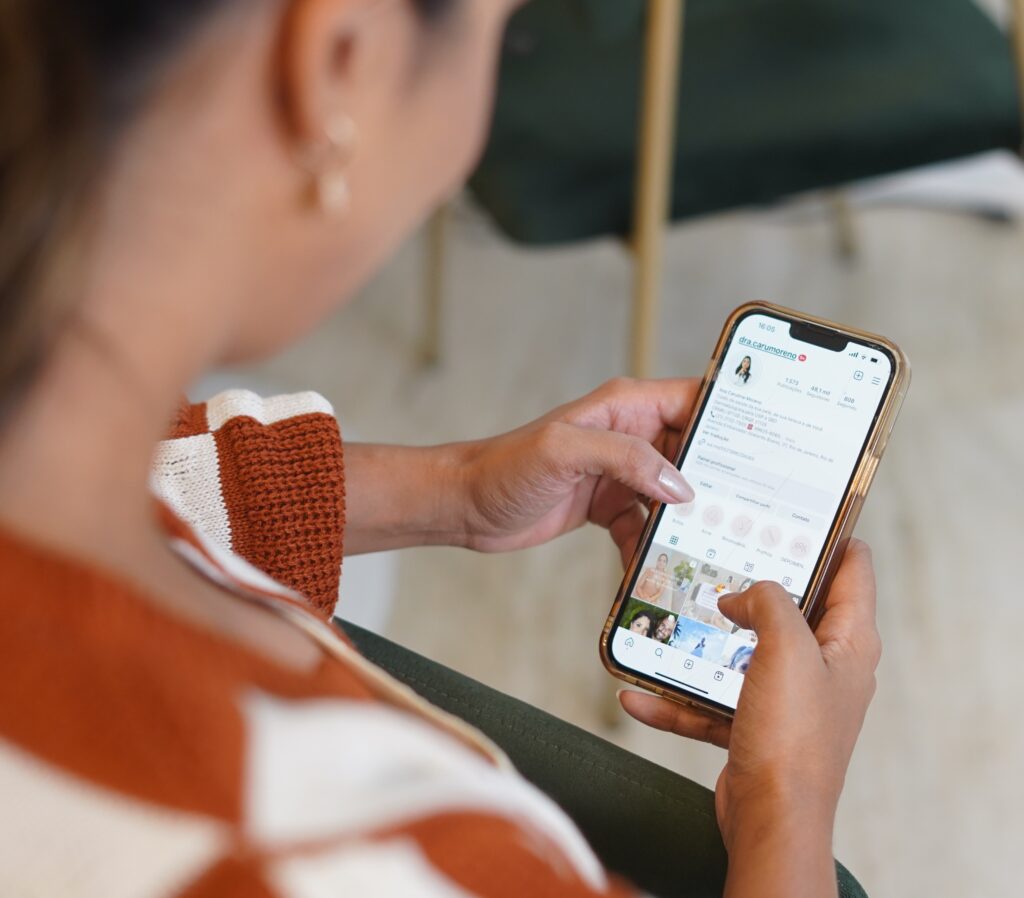
Grupo Caru Moreno is in Barra da Tijuca, Rio de Janeiro. Confirm your appointment, arrival details, and preferred language with the team before setting out.
Find Dr. Ana Carulina Moreno’s clinic on the map below. If you are arriving from abroad, see our Rio dermatology guide for international patients.

PROFILE
Dra. Ana Carulina Moreno · CRM 52.97133-2 · RQE 21135
Dr. Moreno graduated from the University of São Paulo School of Medicine and completed her dermatology residency at Hospital das Clínicas, USP. She holds a specialist title in dermatology from the Brazilian Society of Dermatology (SBD) and the Brazilian Medical Association (AMB).
At Grupo Caru Moreno in Barra da Tijuca, she sees patients for hair and scalp concerns as part of her dermatology practice. Her clinic is in Rio de Janeiro.
From our Instagram
Educational information. Any treatment recommendation depends on an individual medical evaluation.