Keloid treatment in Brazil begins with an individual assessment, not a treatment package selected online. The priority is identifying the type of scar and separating symptoms, growth and appearance goals. Describe what has changed, how it affects you and what you hope the visit will clarify. Dermatology Consultation in Brazil: Prepare Before Leaving the U.S..
This guide is for people considering an appointment in Barra da Tijuca, including visitors who will continue care elsewhere. It separates a request for consultation from a commitment to a procedure. A short stay does not determine which treatment is appropriate, and an English-language page does not confirm English availability at a particular appointment.
Before arranging care for a raised scar or suspected keloid, collect relevant records and write down your travel dates. The discussion should cover diagnosis, practical limitations and follow-up. Depending on the examination, the next step may be observation, medical treatment, further investigation, referral or a later appointment rather than an intervention during this trip. Cosmetic Treatment Recovery Before Flying Back to the U.S..


Ask about consultation availability in English
Contact the clinic to ask about appointment availability for a raised scar or suspected keloid in Barra da Tijuca. Mention your general concern and travel dates. Please confirm English availability, the consultation fee and the type of appointment before booking.
This is a request for availability, not a confirmed booking or assurance that a treatment can be performed. Assessment and any proposed intervention require separate discussion.
Quick answers
What should I ask first?
Ask whether the clinic can arrange an appropriate assessment for a raised scar or suspected keloid within your dates. Explain your main concern without trying to diagnose it yourself. Confirm the language arrangements and whether the appointment is for evaluation only. The clinician, not a booking message, determines the suitable clinical next step.
Can everything be completed during a short visit?
Not necessarily. Keloid care may involve repeated treatment and long-term observation, and recurrence is possible even after an initial response. Share your departure date before making decisions. If the necessary review cannot be arranged, a consultation and a written plan may be more useful than starting treatment that cannot be properly followed.
What information makes the appointment useful?
Bring the date and cause of the original wound, prior scar treatments, response photographs and any previous keloid history. Include allergies, current medicines and previous unexpected reactions. Prepare two or three questions you want answered, and explain any difficulty returning for review. Ask the clinic how to share records through its agreed process rather than sending sensitive documents to an unverified contact.
Key questions · Keloid treatment in Brazil
Use the arrows or swipe to read all 10 cards.
Start with the change you noticed
Describe the location, timing and symptoms in your own words. For a raised scar or suspected keloid, distinguish what you can observe from what someone has suggested it might be. A brief timeline is often easier to discuss than a large collection of unrelated screenshots. Note whether the concern is stable, recurring or getting worse.
1 / 10Bring useful records, not a shopping list
Organize the date and cause of the original wound, prior scar treatments, response photographs and any previous keloid history. Keep dates attached to photographs or reports when possible. If a previous clinician recommended treatment, include the reason and your response rather than only the brand name. Explain when you stopped an earlier treatment and whether this followed medical advice or your own decision.
2 / 10Make room for an examination
An assessment needs more than an online description. Ask what the appointment involves and whether preparation is required. Wear clothing that allows the relevant area to be examined while maintaining your comfort. You can ask about privacy, a chaperone and how clinical photographs would be used before agreeing to them.
3 / 10Separate evaluation from intervention
Booking a consultation for a raised scar or suspected keloid does not mean a procedure has been chosen. Ask what must be established before any treatment decision. If another examination or report is necessary, find out how it changes the plan. An explanation that treatment should wait can be a valuable outcome of the visit.
4 / 10State what matters most to you
Explain whether pain, appearance, recurrence, worry or disruption to daily life is your main priority. These are not interchangeable goals. Ask how the clinician would judge progress against your priority and which parts may remain unresolved. Make space for questions about both the likely benefit and the possibility of no meaningful improvement.
5 / 10Describe the actual trip
Give arrival and departure dates, planned activities and commitments that cannot be changed. Do not shorten a recommended review period to fit an itinerary. Ask what could reasonably be assessed now and what should be coordinated later. A convenient appointment date is not, by itself, evidence that treatment is suitable.
6 / 10Ask for a usable written plan
Before leaving, ask which steps are essential, which are optional and when to seek review. Request clarification of unfamiliar terms. You should understand who is responsible for results, prescriptions and follow-up. A short plan in language you understand is more useful than a long list of products without an explanation.
7 / 10Check costs before deciding
Ask for the consultation fee and whether investigations, pathology, procedures or review appointments would be charged separately. A quotation should identify what is being proposed. Do not compare two prices until you understand whether they describe the same service. This article does not establish prices, insurance coverage or reimbursement eligibility.
8 / 10Arrange continuity deliberately
If you live outside Rio, discuss how your usual clinician can receive a summary when appropriate. Ask which reviews require an in-person examination and what remote contact can actually provide. Do not assume a messaging service can replace urgent care or every planned appointment once you have left Brazil.
9 / 10Leave with one clear next step
At the end of the consultation, summarize your understanding and ask the clinician to correct anything unclear. The next step might be treatment, a test, monitoring or referral. For a raised scar or suspected keloid, clarity about the reason and timing of that step matters more than leaving with a predetermined intervention.
10 / 10
Assessment before a treatment decision

Confirm the scar diagnosis before choosing a removal method
A keloid is an overgrowth of scar tissue extending beyond the original injury. A hypertrophic scar remains within the wound boundary. That distinction helps frame the discussion, but it is not a reliable self-diagnosis rule for every raised lump. Describe the original injury, later growth, itching, pain and earlier treatments so the clinician can assess what is present.
A raised area without a clear injury history deserves careful examination. Do not assume every firm bump near a piercing or surgical site is a keloid. The dermatologist may need to clarify the diagnosis before discussing scar-directed treatment. Ask whether further investigation is necessary and what question it would answer rather than immediately choosing a device or injection. AAD: keloid diagnosis and treatment · NHS: keloid scars.
Explain your main concern: ongoing growth, itch, discomfort, movement restriction or appearance. Those goals can lead to different ways of judging progress. A scar becoming less symptomatic is not the same outcome as disappearing. Ask what would count as a meaningful response for your situation and which features may remain despite care.
If this is your first visit, read our guide to a dermatology consultation in Brazil for international patients. Use it to organize practical questions about records, communication and the appointment itself. Then bring the discussion back to a raised scar or suspected keloid; a general visitor guide does not replace the specific assessment described here.

Discuss combinations, trade-offs and recurrence
AAD and British Association of Dermatologists guidance describe several approaches, including injections, silicone products, pressure in suitable circumstances, laser and selected surgical strategies. The choice depends on the scar and the person. This list is not a recommendation to combine treatments yourself, and it does not establish that each option is available at the clinic.
Surgery alone can be followed by recurrence, so “cutting it out” is not automatically a definitive solution. If removal is discussed, ask what the wider plan would be and how recurrence risk will be addressed. Some options require coordination with another specialist. A treatment proposal should explain this context rather than presenting a single intervention as a guaranteed cure. British Association of Dermatologists: keloids.
Discuss adverse effects as carefully as benefits. Injections can cause local skin changes, and some approaches can alter pigmentation. The relevance of those risks varies with the method and your skin. Ask what is known about the proposed treatment in a scar like yours and whether a less invasive approach or observation is reasonable. Follow-Up Care After Cosmetic Treatment Abroad: Your Records Plan.
When an intervention is being considered, our article on recovery before flying offers a framework for discussing travel. It concerns cosmetic care, so it is not a clinical protocol for every condition. Its relevant principle is to ask your treating clinician about the actual plan rather than infer travel readiness from someone else’s experience.
Make follow-up part of the decision, not an afterthought
A visitor may be able to obtain an assessment but not complete a course of scar care during a brief stay. Ask how often treatment and review would be considered and who would continue the plan after departure. Avoid buying a series before you understand how it will be supervised or what happens if the scar does not respond as hoped.
Bring records of earlier injections, operations or other procedures whenever possible. The exact treatment and response matter more than a general statement that the scar has been treated many times. Include temporary benefit, recurrence and unwanted effects. This history helps prevent repeating an approach without understanding why it was stopped or what it achieved. AAD: keloid self-care and prevention.
If you have formed keloids before, mention this before elective procedures that injure the skin. Prevention planning is different from treating an established scar. Ask how your history affects future piercings, tattoos or surgery, without assuming that any preventive measure can eliminate risk. A careful conversation should acknowledge uncertainty while helping you make a more informed choice.
For the handover after a visit, see our guide to follow-up and records after treatment abroad. Ask for the diagnosis or working diagnosis, treatments discussed and any outstanding results. Keep a copy for yourself and agree who will handle the next review if you are no longer in Rio. Seek prompt medical attention for rapid growth with an uncertain diagnosis, an open or draining lesion, fever or worsening pain and spreading redness. Do not wait for a routine availability reply when symptoms suggest an urgent problem. If you are already receiving care, use the instructions supplied by your treating team and local emergency services when appropriate. Online information cannot assess the severity of a new symptom.

A plan that fits the findings, not just the trip
What to discuss before your appointment

Your main question
Write one sentence describing what you want to understand about a raised scar or suspected keloid. This helps the appointment begin with your concern rather than a presumed treatment. Add any symptom that changes the urgency of the visit, and say if you have already received a diagnosis elsewhere.

Previous care
List what was tried, for how long and what happened afterward. Include adverse reactions and reasons for stopping. If you cannot remember a product or procedure name, bring the record rather than guessing. Accurate history is more useful than an impression that everything has already been tried.
Medicine and allergy list
Bring an up-to-date list, including nonprescription products and supplements. Tell the clinician about pregnancy, breastfeeding or pregnancy plans when relevant. Do not stop prescribed treatment simply to prepare for this appointment. Ask the prescribing clinician or the clinic for individualized instructions if anything is unclear.
Your daily routine
Describe practical factors that affect following a plan, such as work, footwear, outdoor activity, sensitive skin or access to appointments. A plan needs to be understandable and workable. If a recommendation seems unrealistic for your circumstances, raise that before leaving rather than silently changing it later.
Clinical photographs
Ask whether photographs would help document the concern and how they would be stored. Agree on clinical use separately from any marketing use. If you bring your own images, keep dates and avoid filters that change color or texture. Photos support, but do not replace, examination.

Review arrangements
Ask when the next review should happen and what changes should bring it forward. Clarify whether a result will arrive after your departure. Record the correct contact route and ask who is responsible for contacting whom. Do not interpret silence as confirmation that everything is normal.

Treatment alternatives
Ask what happens if you choose to wait or prefer another option. Discuss the limits of each approach rather than only the expected benefit. You can request time to consider a proposal. Consent should follow an explanation you understand, not pressure from a travel deadline.

Language and documentation
Ask about English availability for both the consultation and any instructions. If interpretation is needed, agree on arrangements in advance. Confirm how to obtain a clinical summary and itemized receipt if required. This page does not promise a particular language service or insurance outcome.

Questions first, informed decisions next
A useful visit for a raised scar or suspected keloid connects your symptoms and priorities with an examination. Ask what is known, what remains uncertain and how the next step will be reviewed. There is no need to turn a request for information into a treatment commitment before those questions are answered.
Next step: arrange your dermatology assessment in Rio
For keloid treatment in Brazil, the most useful starting point is a clear description of your concern and an individual assessment. Bring relevant history, discuss the limits of care and arrange the next review before making treatment commitments. To explore an appointment in Barra da Tijuca, ask the clinic about availability in English and confirm the practical details directly. Contact the clinic on WhatsApp.
Frequently asked questions
Understanding the concern
What is a keloid?
It is a type of raised scar that extends beyond the original injury. However, a raised bump needs assessment before that label is applied. Describe its history and symptoms rather than assuming the diagnosis from an online picture.
Is every raised scar a keloid?
No. Hypertrophic scars and other lesions can look raised. Ask the clinician to explain the diagnosis and what it means for treatment. The distinction is important when comparing options and expectations.
Can a piercing cause a keloid?
Skin injury, including piercing, can be associated with keloid formation in susceptible people. Tell the clinician when the piercing occurred and how the area changed. A lump at a piercing site still requires assessment rather than automatic labeling.
Does itch matter if appearance is my main concern?
Yes. Mention itch, pain and tenderness as well as appearance. They may influence the goals and review of care. A useful plan should state whether it is intended to reduce symptoms, flatten the scar or address another concern.
Can a scar be treated years later?
You can request assessment of an older scar. Its current characteristics and history matter more than assuming it is either too late or certain to respond. Ask what improvement is realistic and how the plan would be evaluated.
What the examination can clarify
What records should I bring?
Bring prior procedure details, injection names if known, photographs and the original wound history. Include complications and recurrence. If you lack records, explain what you remember without inventing dates or doses.
Will I need a biopsy?
That depends on whether the diagnosis is clear. Ask why a biopsy is or is not recommended and what it would clarify. Not every scar requires one, but an uncertain lesion should not be treated only on assumption.
Can a photo confirm the diagnosis?
A photo can help document growth but may not show everything needed for diagnosis. Provide dates and avoid filters. Ask whether an in-person assessment is needed before any treatment discussion becomes specific.
Should I mention other scars?
Yes. Tell the clinician how other wounds have healed and whether you have previously formed keloids. This context can be relevant both to the current scar and to discussions about future procedures.
What if there was no obvious injury?
Say so. Do not create an explanation to fit the label “keloid.” The clinician can assess the lump and decide whether further investigation is appropriate before recommending scar treatment.
Discussing treatment options
Can a keloid simply be cut out?
Surgical removal is not automatically a permanent solution because recurrence can occur. Ask about the complete plan if surgery is proposed, including any additional care and follow-up. A single-step promise should not replace that discussion.
Are injections suitable for every scar?
No. Suitability depends on the findings and treatment goals. Ask what substance is proposed, why it is appropriate and what adverse effects to watch for. This guide does not prescribe an injection or a treatment schedule.
Can laser erase the scar?
No method can guarantee complete disappearance. Ask which feature a proposed laser would target and what might remain unchanged. The plan should also explain risks, follow-up and whether other approaches are being considered.
Are silicone products always enough?
Not necessarily. Ask whether they have a role in your particular situation and how their use would be reviewed. Avoid interpreting an available over-the-counter product as proof that no assessment is needed.
Why might treatments be combined?
Different approaches may target different aspects of scar behavior or recurrence. Ask for the purpose of each component and the evidence behind the proposal. More interventions are not automatically better for every scar.
Safety and expectations
Could treatment change my skin color?
Some treatments can cause pigment changes. Discuss this explicitly, particularly if it is a major concern for you. Ask how the clinician weighs this risk against the expected benefit for your skin and scar.
Will the keloid come back?
Recurrence is possible, but an individual outcome cannot be predicted from this article. Ask how recurrence would be recognized and managed. A response immediately after treatment does not establish a permanent result.
Is scar treatment painful?
Experience varies with the procedure and person. Ask what discomfort to expect and what measures may be offered. Do not assume a procedure is painless simply because it is described as minimally invasive.
When should I seek prompt care?
An open or draining lesion, fever, spreading redness or worsening pain needs medical advice. Rapid growth with an uncertain diagnosis also deserves assessment. Do not rely on a routine cosmetic booking enquiry for an urgent problem.
Can I use an acid to flatten it myself?
Do not apply destructive treatments to an unexplained lesion based on online advice. Ask for diagnosis and appropriate care. Causing additional injury is not a safe substitute for a scar assessment.
Preparing for your visit
How do I request an appointment?
Ask about availability for assessment of a raised scar and confirm English arrangements. Mention the location, general concern and travel dates. Ask whether previous treatment records should be sent through the clinic’s approved process.
Can I finish treatment during a holiday?
That cannot be assumed. Discuss the likely need for repeat treatment and review before making commitments. An assessment during the trip may still be useful even if continuing treatment would be better coordinated at home.
What should I ask about the price?
Request the consultation fee and details of any separately proposed procedure or review. Clarify whether a quote covers one session or a broader plan. Do not assume that a package ensures a particular result.
Is an English consultation guaranteed?
No. Confirm availability for the specific date and ask about written instructions if treatment is considered. The existence of this English guide does not establish a language service or a booking.
Should I schedule before a wedding?
Explain the event date, but do not assume a scar will look different by then. Ask about temporary visible effects and uncertainty. A time-sensitive event should inform the discussion, not force an unsuitable plan.
Follow-up and practical decisions
What should follow-up track?
Ask whether symptoms, dimensions, color, photographs or another measure will be used. Agree on the goal before starting. This makes review more informative than judging success only from a different mirror or lighting condition.
What if previous treatment helped only briefly?
Bring that history, including how long improvement lasted. Temporary response and recurrence are important to discuss. The clinician can consider whether the same approach, a different plan or further assessment makes sense.
Can my usual doctor continue the plan?
Discuss the handover before starting care away from home. Ask for treatment details and a clinical summary. Another clinician will need to assess what is appropriate rather than automatically repeat a plan without review.
Should I avoid future piercings?
If you have a keloid history, discuss the risk of further skin injury with your clinician. The decision is personal but should be informed. Do not assume a preventive product can guarantee normal healing.
What is a realistic first step?
Confirming the diagnosis and agreeing on a goal. From there, ask about options, limitations and follow-up. You do not have to commit to removal or a treatment series simply because you requested information.
Meet the clinic in Rio de Janeiro
This institutional video introduces the clinic in Portuguese. It is not a demonstration of the care discussed here.
In the press


Visit Grupo Caru Moreno
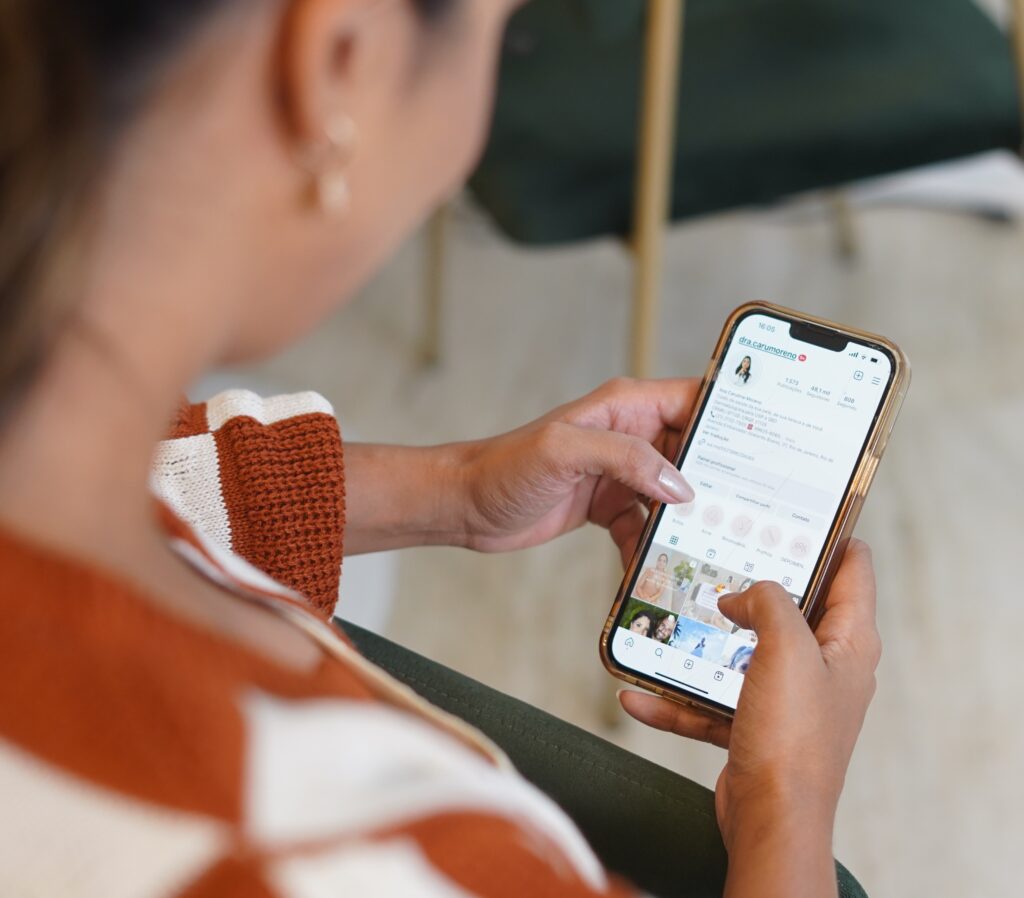
Grupo Caru Moreno is in Barra da Tijuca, Rio de Janeiro. Confirm your appointment, arrival details, and preferred language with the team before setting out.
Find planning an English-language visit on the map below. If you are arriving from abroad, see our Rio dermatology guide for international patients.

PROFILE
Dra. Ana Carulina Moreno · CRM 52.97133-2 · RQE 21135
Dr. Moreno graduated from the University of São Paulo School of Medicine and completed her dermatology residency at Hospital das Clínicas, USP. She holds a specialist title in dermatology from the Brazilian Society of Dermatology (SBD) and the Brazilian Medical Association (AMB).
At Grupo Caru Moreno in Barra da Tijuca, Dr. Moreno sees patients for the clinic in Barra da Tijuca. Read more about planning an English-language visit or planning a visit in Rio.
From our Instagram
This material is educational and does not replace a consultation or emergency care. Clinical suitability and follow-up depend on an individual assessment.