Considering LED therapy for hair loss in Brazil starts with a practical question: what is causing the change in your hair? A device name cannot answer that question. Before arranging Fotoage sessions around a trip, discuss your symptoms, previous care and expectations with a dermatologist.
Fotoage is described by its manufacturer as an LED-based system. However, that description does not establish that every Fotoage scalp protocol has the same evidence as another light device. Ask which application is proposed and how the available evidence relates to your diagnosis.
At a consultation with Dra. Ana Carulina Moreno in Barra da Tijuca, Rio de Janeiro, you can discuss the role of light-based care within a broader assessment. Before booking, confirm appointment availability, consultation fees, language arrangements and how follow-up would work after you return home. Confirm language arrangements for your visit.

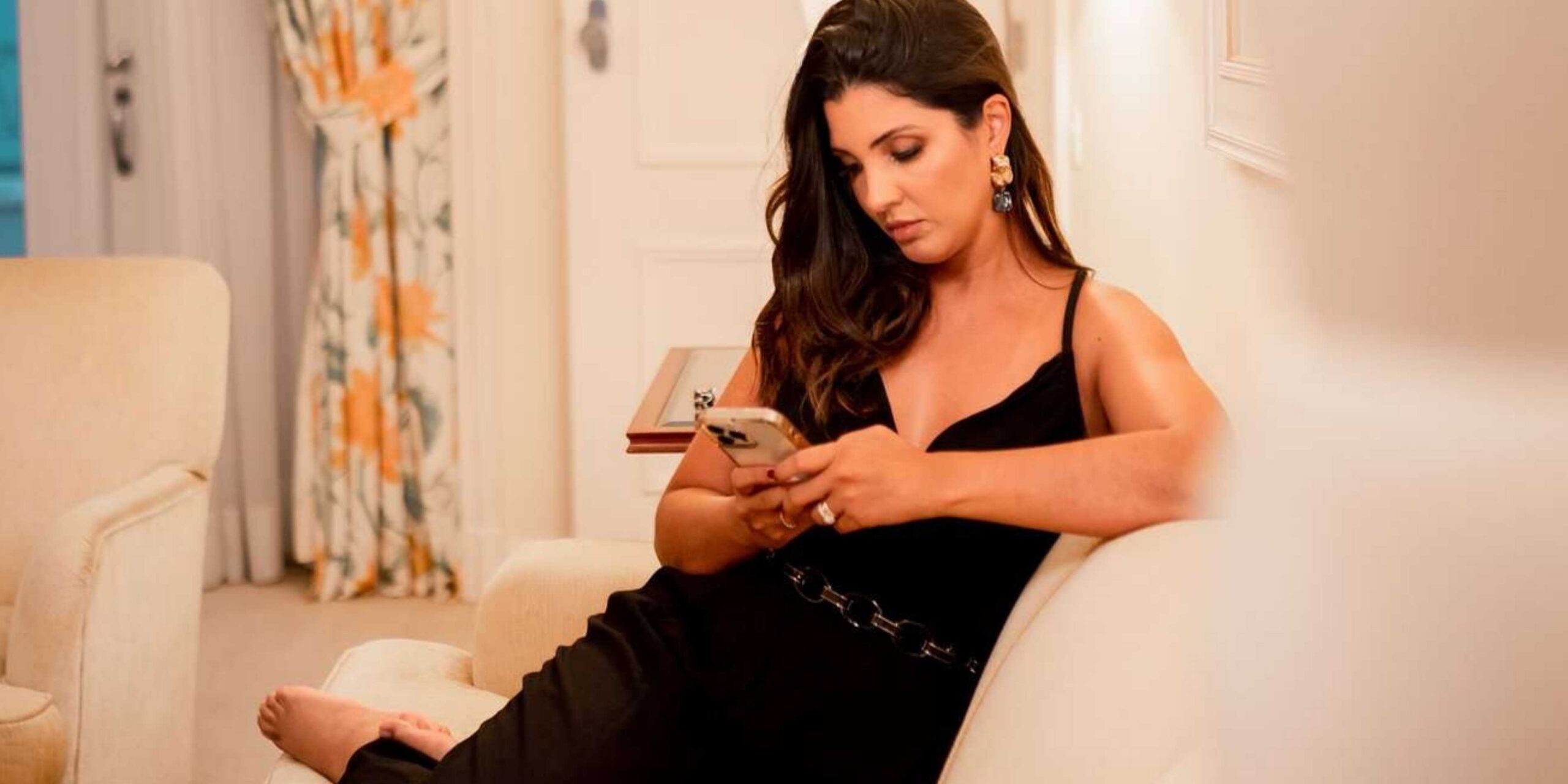
Discuss a hair-loss plan before choosing a device
Contact the clinic to request a dermatology consultation in Barra da Tijuca. Mention your hair concern and travel dates, then confirm the consultation fee, language support and follow-up arrangements. Booking an assessment does not commit you to Fotoage or a treatment package.
Barra da Tijuca, Rio de Janeiro. Treatment suitability and availability require individual confirmation.
Quick answers
Is Fotoage automatically the right option?
No. A useful consultation first connects the proposed treatment to your diagnosis and priorities. Ask why Fotoage is being considered, what uncertainty remains and which alternatives deserve discussion. It is reasonable for an assessment to recommend a different approach or no procedure.
Is LED the same as laser treatment?
No. LED and laser describe different light sources, even though both may appear in discussions of light-based hair care. Therefore, evidence for a particular laser device should not automatically be presented as proof for an LED device or a combined Fotoage protocol.
Can a short trip establish the result?
A short visit can support assessment and planning, but it should not be sold as proof of lasting hair improvement. Before agreeing to treatment, ask how progress would be evaluated, who would review it and what would happen after you leave Brazil.
Key questions · LED therapy for hair loss in Brazil
Use the arrows or swipe to read all 10 cards.
Start with the change you noticed
Describe whether you are concerned about shedding, a wider part, reduced fullness or scalp symptoms. Also explain when the change began and how it affects you. This makes the appointment more useful than arriving with a device name as the only starting point.
1 / 10Bring your treatment timeline
List previous treatments, approximate dates and what you noticed while using them. Include products bought online and prescribed care from your home country. In addition, mention anything you stopped because of discomfort, expense or difficulty following the plan rather than lack of benefit.
2 / 10Ask what Fotoage means here
A named service can involve more than a light session. Ask whether the proposed visit includes topical products or other procedures, and request a separate explanation for each component. That distinction helps you understand both the purpose and the total commitment being discussed.
3 / 10Keep LED and laser evidence separate
When a study is mentioned, ask which device and patient group it involved. A shared description such as red light is not enough to establish equivalence. Instead, discuss how closely the published treatment resembles the option actually being offered to you.
4 / 10Define a useful outcome
Explain what improvement would matter in daily life, without treating a promotional photograph as a promise. You might want a clearer diagnosis, less uncertainty or a plan to monitor thinning. Agreeing on the purpose of care makes later decisions less dependent on vague impressions.
5 / 10Discuss the whole cost
Ask whether a quote covers assessment, proposed sessions, additional products and reassessment. Also clarify which items are optional and whether future appointments would be charged separately. A transparent estimate should help you decide, not pressure you to buy more than you understand.
6 / 10Plan around your actual stay
Give the clinic your arrival and departure dates before discussing a course of care. However, do not assume several appointments close together can replace an otherwise recommended schedule. The plan should fit a clinical rationale rather than the desire to complete everything during a holiday.
7 / 10Prepare questions about tolerance
Tell the dermatologist about previous reactions to light-based treatments, scalp products or procedures. Bring medication and product names for review. Then ask what you may notice during the proposed visit and how to report an unexpected reaction, without assuming noninvasive means risk-free.
8 / 10Arrange continuity before leaving
Ask who will review your progress once you return home and what information can be shared with your usual clinician. Confirm the practical limits of remote communication. An appointment in Rio does not automatically establish cross-border medical follow-up or access to every treatment abroad.
9 / 10Keep the decision open
You can ask for time to consider the proposal, compare its purpose with alternatives or choose not to proceed. A useful consultation leaves you with clearer information. It does not require purchasing a package or accepting an outcome that has not been demonstrated.
10 / 10
A diagnosis is more useful than a device promise

LED therapy for hair loss in Brazil: understand the proposed approach
Light-based hair treatments are not a single uniform intervention. In its patient guidance, the American Academy of Dermatology discusses red light as a possible part of care for selected people with hair loss. That general discussion does not confirm the effectiveness of every device or protocol.
Skymedic describes Fotoage as an LED system for the face and neck, with combinations involving other products. That manufacturer page does not establish scalp efficacy. Therefore, ask which device and application the clinic proposes for hair care, and what evidence specifically supports that use. References: American Academy of Dermatology: red light therapy and its limitations; American Academy of Dermatology: hair-loss diagnosis and treatment.
Ask the dermatologist to distinguish the light component from anything else proposed during the appointment. If several treatments are combined, discuss the reason for each one. Otherwise, it becomes difficult to understand the added cost or attribute a later change to any particular component.
The key question is not whether a technology sounds advanced. It is whether there is a reasonable explanation for considering it in your case. You should be able to describe the goal, the uncertainty and the review process in your own words before deciding.

Assess evidence without borrowing results from another device
A useful evidence discussion identifies the diagnosis studied, the light source and the outcomes measured. Ask whether the evidence concerns the actual proposed device or only a broader treatment category. This helps separate a supported discussion from an appealing but overly broad comparison.
Likewise, a study involving a laser device should not be retold as if it tested Fotoage. Nor does a study of an LED device establish every possible combination with cosmetic products. The dermatologist can explain what is directly relevant and what remains an extrapolation.
Treatment photographs also need context. Ask whether they show the same person under comparable conditions and which other treatments were used. Images can illustrate a discussion, but they cannot promise your result or replace a clear account of the diagnosis and the proposed care. Related reading: Preparing for a dermatology consultation in Brazil; Planning an English-language dermatology visit.
If the available evidence does not answer your specific question, it is reasonable to hear that limitation plainly. You can then weigh an optional procedure against alternatives, cost and the burden of follow-up. Uncertainty should be part of the decision rather than hidden behind a package name.

Plan your consultation in Barra da Tijuca and care afterward
Before visiting, prepare a brief history of the hair change and a list of current treatments. Ask the clinic how to provide relevant records securely if requested. You do not need to send unnecessary personal information or assume that photographs alone can establish a diagnosis.
When contacting the clinic, confirm the language in which the consultation can take place. An English-language article does not guarantee an English-speaking appointment on every date. Also ask about fees, appointment length and whether any proposed procedure would require a separate booking. Further reading: Skymedic: manufacturer description of Fotoage (not independent efficacy evidence).
Discuss your departure date and the availability of your usual clinician at home. Ask what written information you would receive if you start care in Brazil. That record can support continuity, although arrangements for treatment or prescriptions in another country must be confirmed separately.
Finally, make sure you understand how to contact the clinic with questions and which situations require local medical care rather than waiting for a reply. A practical follow-up plan matters more than squeezing a procedure into an itinerary that leaves no room for reassessment. Plan your visit: Planning records and follow-up after treatment abroad.

LED, laser and combined protocols are not interchangeable
What to discuss before your appointment
Diagnosis before devices
Hair concerns can look similar to a patient without sharing the same explanation. Therefore, describe the change and request an assessment before selecting a technology. The purpose is to connect care to your actual situation rather than treating every concern with the same service.

Scalp comfort matters
Mention discomfort, irritation or visible scalp changes even if your main concern is fullness. Those details belong in the assessment. Do not hide a symptom because you hope to have a procedure that day; it may change what the clinician needs to evaluate first.
One component or several
Ask whether Fotoage refers only to light exposure or to a visit involving additional products. Each component should have an understandable purpose. This also helps you compare proposals without assuming that similarly named packages contain the same treatments or require the same commitment.
Evidence with a name
Request the name of the technology discussed in any cited study. Then ask how it relates to the proposed treatment. A broad category can help organize information, but it should not erase meaningful differences between LED devices, laser devices and combined approaches.
Medication decisions stay individual
Tell the clinician what you currently use and who prescribed it. Do not stop or replace prescribed care simply because a light-based option sounds more convenient. Any proposed change should be discussed with the responsible clinician in the context of your diagnosis and history.
Records for comparison
Discuss what information will be recorded before any optional treatment and how it will be reviewed later. Consistent documentation supports a more useful conversation than memory alone. Ask what you can obtain for your own records and for a clinician you see after returning home.

Costs beyond one visit
Consider the full proposal rather than only the price of a single appointment. Ask about optional products, reassessment and any ongoing commitments. Also clarify cancellation arrangements before booking, particularly when your travel dates may change or depend on other appointments.

Your choice remains central
An assessment can be valuable even if you decide against a procedure. You may prefer to continue care at home or wait for more information. The goal is an informed decision that respects your priorities, not an obligation to choose the most elaborate plan.

Build a plan you can understand and continue
For visitors considering LED therapy for hair loss in Brazil, the most useful first step is a clear assessment. Discuss the proposed role of Fotoage, the uncertainty around benefits and the arrangements needed for review. Travel convenience should not replace a reasoned treatment decision.
Next step: arrange your scalp assessment in Rio
LED therapy for hair loss in Brazil deserves a diagnosis-led discussion, not a promise attached to a device name. To explore whether Fotoage belongs in your care, request a consultation with Dra. Ana Carulina Moreno in Barra da Tijuca. Confirm language, fees and follow-up before booking. Contact the clinic on WhatsApp.
Frequently asked questions
Understanding the proposal
Does the name Fotoage explain the whole treatment?
Not necessarily. Ask which device, products and additional procedures are included in the proposal. The name alone does not explain why each component is relevant to you. A clear description helps you understand what you are considering before discussing cost or scheduling.
Is an LED session the same as mesotherapy?
No. They describe different approaches, and an offer to combine them should explain each component separately. Ask what the clinician is trying to achieve with each option. Avoid assuming that two treatments are interchangeable simply because both appear on a hair-care menu.
Does a noninvasive procedure have no risks?
Noninvasive does not mean risk-free or appropriate for everyone. Ask about the precautions relevant to the exact proposed treatment and your history. Also clarify what symptoms should be reported and whether any products used during the appointment add separate considerations.
Will the appointment include other scalp products?
That needs to be confirmed with the clinic. Ask for an explanation of any product included in the proposed visit, including its purpose and whether it is optional. Bring details of your existing scalp routine so the discussion considers the whole plan.
Can I request an assessment without buying sessions?
You can request a consultation and clarify its fee before booking. Tell the clinic that you want to understand your diagnosis and options first. Ask whether any treatment decision can be made afterward, once you have considered the explanation and practical commitments.
Evidence and expectations
Does research on red light prove Fotoage works for me?
No. A broad research category does not establish the outcome of a specific device in an individual patient. Ask which evidence supports the exact proposed application and which parts are uncertain. This keeps the discussion focused on relevance rather than a general technology claim.
Can a laser study be used as an LED result?
A study should be described according to the device it actually tested. If it involved a laser, it should not be presented as a direct Fotoage result. Ask the clinician to distinguish relevant background evidence from evidence specifically supporting the proposed LED approach.
Can photographs guarantee the amount of improvement?
No photograph can guarantee your outcome. Ask about the diagnosis, other treatments and photography conditions behind any example. Images may help explain goals, but your decision also needs a discussion of uncertainty, possible limitations and how your own progress would be assessed.
Does offering a device mean it has every regulatory approval?
Availability is not proof of approval for every claimed use or in every country. If regulatory status matters to your decision, ask for the exact device documentation and indication. Do not infer Brazilian or overseas authorization from a general statement about light therapy.
Should I expect a promised percentage of regrowth?
A fixed personal promise is not an appropriate basis for deciding. Ask what outcome the clinician would consider meaningful and how it would be assessed. Also ask what would prompt a change in the plan if the expected course does not occur.
Preparing for assessment
What history should I prepare?
Write down when you first noticed the change, what concerns you most and what you have already tried. Also list current prescriptions and scalp products. A concise timeline helps the clinician ask focused questions without requiring you to remember every detail during the visit.
Should I bring previous examination records?
If you have relevant records, ask how the clinic would prefer to review them. Bring the original report when possible rather than only your recollection of it. However, do not arrange new tests solely from an article; the clinician should explain what is needed.
Do I need to send photographs before booking?
Ask the clinic what is needed to arrange the appointment and how any requested images would be handled. Do not assume photographs are mandatory or sufficient for diagnosis. You can clarify privacy, consent and the purpose of sharing records before sending them.
Should I change my routine before the visit?
Do not make treatment changes merely to prepare for a technology consultation. Ask the clinic whether there are specific appointment instructions, and identify the products you currently use. Decisions about prescribed care should remain with the clinician responsible for that treatment.
What if my main concern is scalp discomfort?
Mention that when requesting the appointment, rather than booking only for a named procedure. Explain the symptom and any visible changes. The consultation should consider your current concern first; discussing a device can wait until the clinical assessment establishes what needs attention.
Visitors and scheduling
Can I complete everything during a brief stay?
Do not assume a short stay will accommodate an appropriate course of care. Share your dates and ask what can realistically be assessed or arranged. The answer may be a consultation and a continuity plan rather than a series of procedures before departure.
Can sessions be brought closer together for travel?
Do not request a compressed schedule on the assumption that it provides the same result. Instead, ask whether the proposed plan is practical within your dates. If it is not, discuss another arrangement rather than letting your itinerary determine the clinical approach.
Is English-language care available?
Confirm the language arrangements directly before booking, including whether an interpreter would be needed and how that would be organized. This English article is not a guarantee of appointment language. Clear communication is important for understanding consent, costs and the proposed follow-up.
Should I book a package before the assessment?
First ask what the assessment includes and whether a procedure is actually indicated. If a package is later proposed, request its components, costs and cancellation arrangements. You should understand the purpose and commitments before paying for a course that may not suit your needs.
What if my departure date changes?
Tell the clinic as soon as possible and ask how the change affects any planned appointments. Review the booking and cancellation terms you were given. Also revisit follow-up arrangements, rather than assuming an unfinished plan can automatically continue remotely after you leave.
Costs and practical decisions
What should a quotation explain?
Ask for a clear description of the consultation, proposed procedures, optional products and planned reviews. Confirm the currency and whether additional charges could arise. This helps you compare the whole commitment rather than choosing solely on a headline price for one visit.
Is the consultation fee part of the procedure price?
That is a clinic-specific arrangement and should be confirmed directly. Ask whether assessment and treatment are charged separately and whether a quoted amount includes any review. Do not assume an appointment fee will be deducted from a later procedure or package.
Do I have to buy products at the appointment?
Ask whether a suggested product is necessary, optional or simply one available option. Request its purpose and how it fits your current routine. You can consider the recommendation before purchasing, and should understand any ongoing cost associated with the proposed plan.
Can I compare this proposal with care at home?
Yes. Compare the diagnosis, exact components, evidence discussion and follow-up arrangements, not only the price. A treatment with a similar name may include different elements. Ask for a written summary so your usual clinician can help you understand how the proposals relate.
What if I decide not to proceed?
Tell the clinic your decision and clarify any existing booking obligations. You can still ask for the assessment summary and information relevant to continuing care elsewhere. Choosing not to have a procedure does not make the consultation unsuccessful if it clarified your options.
Follow-up and continuity
What records should I request if treatment starts?
Ask for a summary of the assessment, the treatment actually provided and the follow-up recommendations. Also request clarification of any products or procedures included. A useful record should describe what happened, rather than relying solely on a commercial package name your home clinician may not recognize.
Who reviews progress after I return home?
Agree on that before starting. Ask whether review will occur at the clinic, with your usual dermatologist or through another explicitly arranged service. Remote contact is not automatically a substitute for examination, and cross-border care arrangements need practical confirmation rather than assumptions.
How should I judge a change in my hair?
Ask the clinician what will be compared and how the observations will inform decisions. Avoid relying only on a single photograph or a good hair day. A planned review should put your observations alongside the assessment and the treatments you actually used.
What if I notice an unexpected reaction?
Use the instructions and contact details provided for your actual treatment, and seek appropriate local medical attention when needed. Do not delay care while waiting for an overseas message. Before leaving the appointment, clarify who can respond to questions and what that service covers.
How do I request a consultation in Rio?
Contact the clinic to request a visit with Dra. Ana Carulina Moreno in Barra da Tijuca. Mention your hair concern and travel dates. Before confirming, ask about availability, language arrangements, the consultation fee and how follow-up could be organized if treatment is recommended.
Hair and scalp videos from Dr. Caru Moreno
In the press




Visit Grupo Caru Moreno
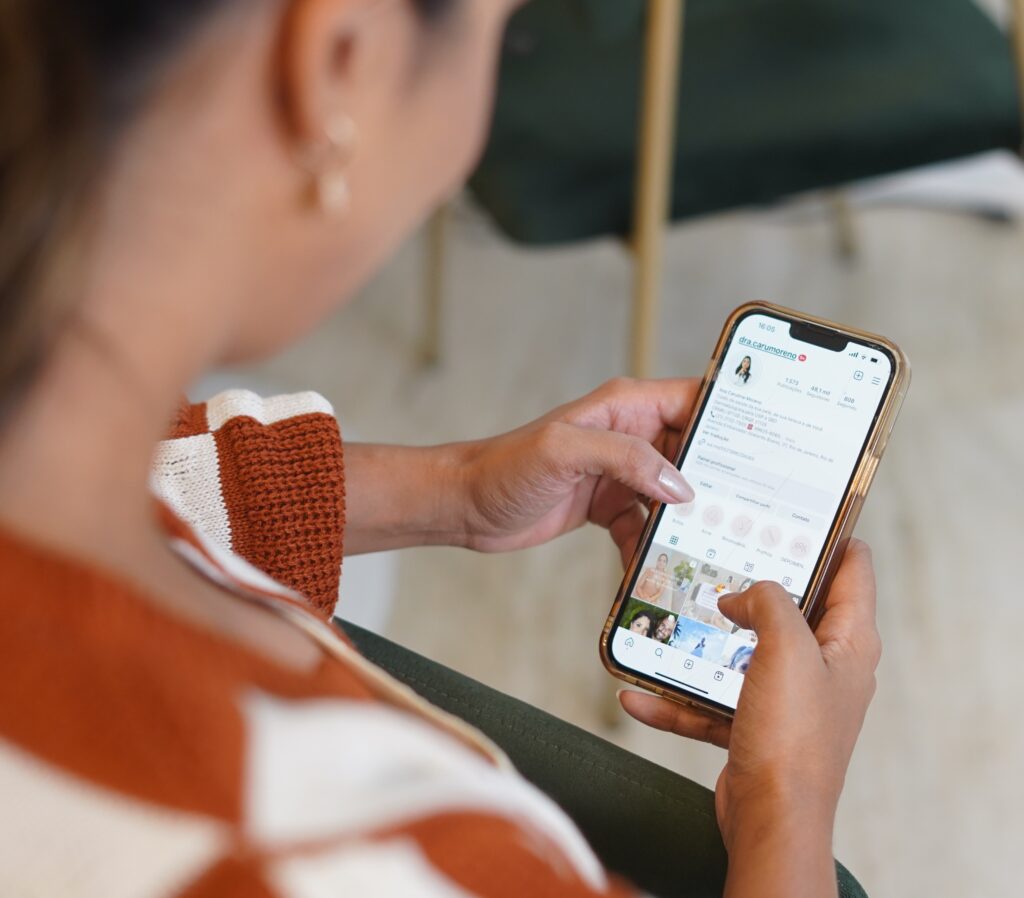
Grupo Caru Moreno is in Barra da Tijuca, Rio de Janeiro. Confirm your appointment, arrival details, and preferred language with the team before setting out.
Find Dr. Ana Carulina Moreno’s clinic on the map below. If you are arriving from abroad, see our Rio dermatology guide for international patients.

PROFILE
Dra. Ana Carulina Moreno · CRM 52.97133-2 · RQE 21135
Dr. Moreno graduated from the University of São Paulo School of Medicine and completed her dermatology residency at Hospital das Clínicas, USP. She holds a specialist title in dermatology from the Brazilian Society of Dermatology (SBD) and the Brazilian Medical Association (AMB).
At Grupo Caru Moreno in Barra da Tijuca, she sees patients for hair and scalp concerns as part of her dermatology practice. Her clinic is in Rio de Janeiro.
From our Instagram
Educational information. Any treatment recommendation depends on an individual medical evaluation.
For more on assessment before choosing a procedure, see assessment for hair loss in Rio de Janeiro and what a scalp examination can tell you.