Looking into acne scar treatment in Brazil can quickly turn into a search for a particular laser or a dramatic photograph. A more useful starting point is the change you want to address: uneven texture, a few deeper depressions, raised areas or lingering color. Laser skin treatments: assessment and planning.
Those concerns should not automatically receive the same treatment. Before comparing procedures, ask a dermatologist to explain what is present and which part of your concern a proposed approach would address. Your skin history, priorities and travel plans belong in that discussion.
Request an individualized consultation at Grupo Caru Moreno in Barra da Tijuca, Rio de Janeiro. Tell the team when you will be visiting and whether you need an English-language consultation. Confirm availability, language arrangements and the consultation fee before planning your appointment. Confirm language arrangements for your visit.


Start with an assessment of your scars and priorities
Ask for an individualized acne-scar evaluation in Barra da Tijuca. Share your main concern, previous treatments and travel dates. Before booking, confirm English-language arrangements, the consultation fee and how follow-up would work if you return home before your care is complete.
Appointment availability, English-language support and fees require confirmation. Treatment recommendations follow an individual assessment.
Quick answers
Is there one best treatment for acne scars?
No single procedure should be chosen simply because it is popular. Ask which features of your scars support the recommendation and what alternatives are reasonable. A useful explanation connects the proposed treatment to your particular concern instead of presenting an equipment name as the answer.
Are dark marks and acne scars the same?
A flat mark left after a breakout may reflect a color change rather than a change in skin contour. Ask the dermatologist to distinguish these findings before you compare options. Otherwise, you may be evaluating a procedure for a different concern from your own.
Can treatment fit into a short visit?
A consultation may fit, but a complete treatment course or recovery may not. Share your itinerary before committing to a procedure. Ask whether there is enough time for appropriate review and whether beginning care during this particular trip is a sensible choice.
Key questions · Acne scar treatment in Brazil
Use the arrows or swipe to read all 10 cards.
Name the change you want
Describe what catches your attention in the mirror without trying to classify every scar yourself. Is it an isolated indentation, uneven texture or a color difference? That description gives the clinician a starting point and helps keep the discussion tied to your priorities.
1 / 10Ask about the scar pattern
Request an explanation of the findings in ordinary language. You may have heard terms such as ice pick, boxcar or rolling, but you do not need to arrive with a diagnosis. Ask how the observed pattern influences the proposed treatment plan.
2 / 10Discuss ongoing breakouts
Tell the dermatologist whether you still develop inflamed spots and what you currently use for acne. Ask how ongoing acne care fits with the scar discussion. Do not assume that booking a scar appointment means your existing treatment should be stopped or ignored.
3 / 10Bring your pigment history
Mention darkening, lightening or prolonged discoloration after earlier procedures, injuries or breakouts. Ask how those experiences affect the risk discussion. Your skin tone and individual response deserve attention rather than reassurance based only on photographs of patients who may have different skin.
4 / 10Review earlier procedures
Bring the names and dates of previous lasers, peels, needling or injections when available. Explain what improved, what did not and whether anything caused difficulty. This record helps the consultation move beyond repeating an approach simply because it has already been tried.
5 / 10Explain your preferred outcome
Choose a practical goal you can discuss, such as making a particular area less noticeable. Ask whether the proposed change is realistic and what will probably remain visible. An agreement about goals matters more than matching an edited image or someone else’s result.
6 / 10Consider recovery in real life
Tell the clinician about work, events, flights and outdoor plans. Ask what your proposed treatment would mean for those commitments rather than relying on a generic downtime claim. If recovery requirements do not fit your trip, discussing a later start remains a valid option.
7 / 10Ask why treatments are combined
If more than one procedure is suggested, ask what each contributes and whether all are necessary now. A combined plan should have a clear rationale, not merely a longer list of services. You can request time to understand the proposal before deciding.
8 / 10Confirm how review will happen
Ask when progress would be evaluated and who would address concerns once you leave Brazil. Clarify the limits of remote communication. A written follow-up plan is particularly useful when the clinician who examines you later may not be the person who performed treatment.
9 / 10Keep your decision open
You can attend an assessment without agreeing to a procedure that day. Ask for an explanation of options, likely limitations and costs. Your travel expenses do not create a reason to proceed, and choosing to wait or decline treatment does not invalidate the consultation.
10 / 10
Scar type comes before the choice of device

Acne scar treatment in Brazil begins with identifying the concern
Acne can leave several kinds of changes. Depressed scars include narrow, deep ice pick scars, broader boxcar depressions and rolling contours. Raised scars require a different assessment. Flat discoloration after a breakout may not be a true contour scar at all.
Ask the dermatologist to show you which findings matter for your goal. You may want one noticeable area assessed rather than a whole-face procedure. A shared description of the concern helps you compare proposals without turning the appointment into a search for the newest device. References: American Academy of Dermatology: Acne scar types and signs; American Academy of Dermatology: Acne scar consultation and treatment.
NICE guidance emphasizes discussion of acne-related scarring and treatment of ongoing acne to help prevent further scars. Tell the clinician about current breakouts and your medicines. The consultation should address the present condition of your skin as well as changes left by earlier acne.
There is no obligation to treat a scar because it is visible. Explain how much it bothers you and what you would consider worthwhile. Your budget, tolerance for recovery and willingness to attend follow-up should help shape the decision, rather than being considered only afterward.

Choose an approach for your skin, not an advertised result
A dermatologist may discuss resurfacing, needling, targeted procedures or other approaches depending on the findings. These are categories of care, not a menu to select without examination. Ask which options are relevant to you and whether a specialist referral is appropriate for a particular scar.
Your skin tone and history of pigmentation changes affect planning. Procedures can cause darker or lighter areas, and darker skin may be particularly prone to post-inflammatory darkening. Other risks vary with the procedure and can include prolonged redness, infection or additional scarring.
Ask for a comparison that includes limitations as well as possible benefits. If a combination is recommended, request an explanation of the role of each part. You should be able to understand why the plan is appropriate without needing technical specifications or a list of device settings. Preparing for a dermatology consultation in Brazil.
Progress should be assessed against your agreed goal, not a guaranteed percentage. Ask how photographs will be taken consistently and when a review would be meaningful. If the response is limited, the next step should be reassessment rather than an automatic commitment to more procedures.

Make the plan workable for an international visit
Discuss your full itinerary, including beach days, outdoor excursions and your departure date. Ask whether beginning treatment now allows enough time for recovery and review. A consultation followed by treatment closer to home may be more practical than trying to complete everything during a holiday.
Aftercare is specific to the procedure and your skin. Follow the clinician’s instructions about cleansing, sun protection, cosmetics and products to avoid. Do not add exfoliating products or restart active skincare simply because the surface looks better; ask when your usual routine can resume. Further reading: American Academy of Dermatology: Care after acne scar treatment; NICE guideline NG198: Acne vulgaris management.
Before proceeding, request written information about expected recovery, warning signs and how to obtain help. Ask what would require an in-person assessment rather than a photograph or message. Confirm the clinic’s contact arrangements and discuss a practical option for medical review after you travel home.
For your appointment at Grupo Caru Moreno, confirm dates, English-language support and the consultation fee directly with the team. Ask whether any proposed procedures or follow-up appointments would be charged separately. Clear arrangements let the visit focus on your skin and your decision.

Your skin history belongs in the treatment decision
What to discuss before your appointment
Ice pick scars
If you have heard the term ice pick scar, ask whether it describes the narrow depressions that concern you. Do not decide on a procedure from that label alone. The consultation should explain the finding and why a particular option is being considered.

Boxcar scars
Bring attention to depressions with edges that appear more distinct to you. Ask the clinician whether they represent boxcar scars and what features matter for planning. You do not need to measure them yourself or compare your face with a diagram before attending.
Rolling contours
If uneven shadows across a wider area bother you, explain when you notice them and what you hope to change. Ask whether the underlying scar pattern affects the recommendation. A whole-face resurfacing proposal should still explain how it addresses your specific concern.
Raised areas
Show the dermatologist any firm or raised areas you believe came from acne, including scars elsewhere on your body. Ask whether they need a separate approach. Do not assume that a recommendation for depressed facial scars also applies to every raised mark.
Color versus texture
Tell the clinician whether you are mainly concerned about color, contour or both. Ask which part of the proposed plan addresses each priority. This helps prevent disappointment when an approach aimed at one feature is incorrectly expected to resolve every visible change.

Skin-tone experience
Ask about the clinician’s experience assessing patients with a skin tone and pigment history similar to yours. Request a discussion of how risk would be managed and what uncertainty remains. An example photograph is not a guarantee that your skin will respond identically.

Previous treatment response
Write down what you noticed after earlier care, including changes that were temporary or difficult to judge. Bring available records instead of relying on a remembered device nickname. That history can make the discussion about repeating, changing or stopping an approach more concrete.

A manageable first step
You may prefer to begin with an assessment and written recommendations rather than booking procedures immediately. Ask what information you should consider before deciding. The most useful outcome of a visit can be a clearer understanding of the choices, not a treatment performed that day.

Plan recovery and follow-up before booking treatment
Use your visit to understand the options for your own skin, not to purchase a promise of perfect texture. Ask the team about consultation dates, English-language arrangements and fees, then discuss whether the proposed plan can reasonably fit your time in Rio.
Next step: arrange your dermatology assessment in Rio
Acne scar treatment in Brazil should start with understanding your scar pattern, skin history and personal priorities. Request an individualized evaluation in Barra da Tijuca, then confirm appointment dates, English-language arrangements, consultation fees and follow-up before deciding whether to begin treatment during your visit. Contact the clinic on WhatsApp.
Frequently asked questions
Understanding your scars
Do I need to know my scar type before booking?
No. Describe the change you notice and ask for an assessment. You do not need to classify your scars from online photographs or choose a procedure in advance. The appointment is an opportunity to understand the findings and discuss what they mean for you.
Can I have more than one concern?
Yes. You might want to discuss texture, lingering color and ongoing breakouts at the same visit. Tell the clinician which matters most to you. Ask how the proposed priorities were chosen rather than assuming that every concern must be treated at once.
What if I only want one area assessed?
Say so when describing your goal. You can ask about a particular cheek or a small number of noticeable marks without requesting a whole-face procedure. The clinician should explain whether that focused goal is practical and what limitations might affect the recommendation.
Are photographs enough to choose a treatment?
Photos can help communicate your concern, but they do not automatically replace an examination. Ask what information is still needed before a recommendation can be made. A preliminary booking conversation should not be understood as confirmation that a particular procedure is suitable.
Should I mention scars elsewhere on my body?
Yes. Tell the clinician about scars after injuries, operations or piercings, especially if you were unhappy with how they healed. Ask whether that history affects the discussion. Do not assume that only the acne scars you want treated are relevant to the assessment.
Choosing a treatment plan
Should I choose a laser before my consultation?
Research can help you prepare questions, but avoid making a device name a condition of your visit. Ask which aspect of your concern it would address and what alternatives exist. The recommendation should follow the assessment, not simply repeat a procedure you requested online.
Does a combined plan always mean better care?
Not necessarily. Ask why each element has been included and whether the plan could reasonably be simpler. You should understand the intended contribution, additional cost and recovery implications of every proposed step before deciding whether a combination fits your priorities.
Can I ask about a less intensive option?
Yes. Explain your comfort level and ask how alternative approaches compare for your particular goal. You may prefer a smaller possible change with different practical demands. The consultation should leave room to discuss those preferences rather than treating one approach as the only acceptable choice.
What if I have already tried several procedures?
Bring the available records and explain what you experienced after each one. Ask how a new recommendation differs from earlier attempts and what evidence supports repeating or changing course. A long treatment history should lead to careful review, not an automatic larger package.
Can I decline part of the proposed plan?
Ask which elements are optional and whether declining one changes the rationale for the others. You can request time to think or seek another opinion. A clear explanation should help you make a voluntary decision rather than feel committed to every listed service.
Skin tone and safety discussions
How should I discuss pigment changes?
Describe previous darkening or lightening after acne, injury or treatment and how long it concerned you. Ask the dermatologist how that history affects the proposal. Request a risk discussion specific to your skin rather than relying on a general claim that a technique suits everyone.
Does darker skin rule out an assessment?
No. You can request an individualized evaluation and ask which approaches, if any, are appropriate. Discuss your skin tone, previous reactions and goals openly. The purpose is to understand your options and risks, not to accept or reject treatment based on a label alone.
Should I mention recent tanning or sun exposure?
Yes. Tell the clinician about recent exposure and upcoming outdoor plans before any procedure is scheduled. Ask whether these affect timing or preparation. Do not conceal a tan to keep an appointment, and do not assume that sunscreen makes every planned activity compatible with treatment.
What medication information is relevant?
Bring a list of medicines and skincare products, including acne treatments used previously and any reactions. Ask whether further details are needed before choosing a procedure. Do not stop or change prescribed medication on your own to meet a presumed preparation requirement.
What should I ask about complications?
Ask which problems are relevant to the exact procedure, how they would be recognized and who would assess them. Request written contact and escalation instructions. Knowing what support is available is part of deciding whether to proceed, especially when you will soon leave Brazil.
Results and progress
Will all my scars disappear?
Do not plan around complete removal or perfectly smooth skin. Ask what change the clinician considers realistic and what is likely to remain noticeable. Your decision should reflect those limits rather than a promise that treatment will recreate the appearance of unscarred skin.
Can I compare myself with an online result?
Use photographs to explain preferences, not as a prediction of your outcome. Ask about differences in skin, scar pattern, lighting and other treatments. A careful discussion should help you understand why a published result may not represent what is achievable in your circumstances.
How can progress be documented?
Ask how photographs and your own observations will be used consistently over time. Explain what would feel meaningful to you and request an agreed review point. This is more useful than judging your skin repeatedly in changing light or relying on a single flattering image.
What if I am disappointed with improvement?
Arrange a review of the original goal, the observed response and your concerns. Ask whether the plan still makes sense before adding procedures. You should be able to discuss a limited response without feeling that buying more treatment is the only available next step.
Do I have to treat scars that do not bother me?
No. You can seek information without deciding to change your skin. Explain whether you want reassurance, an assessment or treatment options. The presence of visible scars does not by itself create an obligation to undergo procedures or meet someone else’s expectations about appearance.
Recovery and international travel
Can I combine treatment with a beach holiday?
Discuss the actual itinerary before deciding. Ask whether the proposed procedure and aftercare are compatible with your outdoor plans. If not, a consultation now and treatment at another time may be more practical than trying to preserve every holiday activity around recovery.
How much time should I stay in Rio?
There is no single travel duration that fits every procedure or person. Share your dates and ask whether they allow appropriate recovery and review for the plan being considered. Do not book flights around a generic downtime claim before receiving individualized advice.
When can I return to makeup and skincare?
Follow the instructions for the treatment you actually receive rather than a timetable from another patient. Ask specifically about the products you use and request written guidance. If you are uncertain about restarting something, contact the clinical team instead of experimenting on recently treated skin.
Who should review me after returning home?
Discuss that before beginning care. Ask what follow-up can be provided by the clinic and when you would need an examination locally. Keep a written record of the treatment so a clinician at home can understand what was done and what concerns require review.
What if my trip is too short for treatment?
An assessment can still help you understand your options and prepare questions for care at home. Ask for a written summary and any recommended next steps. A useful visit does not have to include a procedure, and limited time should not pressure you into one.
Consultation and booking
How do I arrange an acne-scar consultation?
Contact Grupo Caru Moreno through its official booking channel and request an individualized evaluation in Barra da Tijuca. Mention your main concern and travel dates. Ask the team to confirm availability, the consultation fee and language arrangements before you finalize the appointment.
Can I request an English-language appointment?
Yes, ask the team to confirm the available arrangements directly. Clarify communication during the consultation, written instructions and follow-up, including whether an interpreter is needed. An English-language article should not be interpreted as a guarantee of language support at every appointment.
What does the consultation fee include?
Request an explanation from the booking team before paying. Ask whether assessment, photographs, procedures or later reviews are included or quoted separately. Do not assume an online price covers every part of care, and confirm the currency and payment terms for your visit.
Should I buy a treatment package first?
It is better to understand the clinical recommendation before committing to a course of procedures. Ask how quotations are prepared and what happens if treatment is not suitable. Any package should follow an informed decision rather than determine what the dermatologist is expected to recommend.
What should I bring to the appointment?
Bring your treatment history, medication and skincare list, relevant records and questions about your goals. Include your departure date and important activities during the trip. You do not need to arrive with a diagnosis or device choice to have a productive consultation.
Related videos from Dr. Caru Moreno
In the press




Visit Grupo Caru Moreno
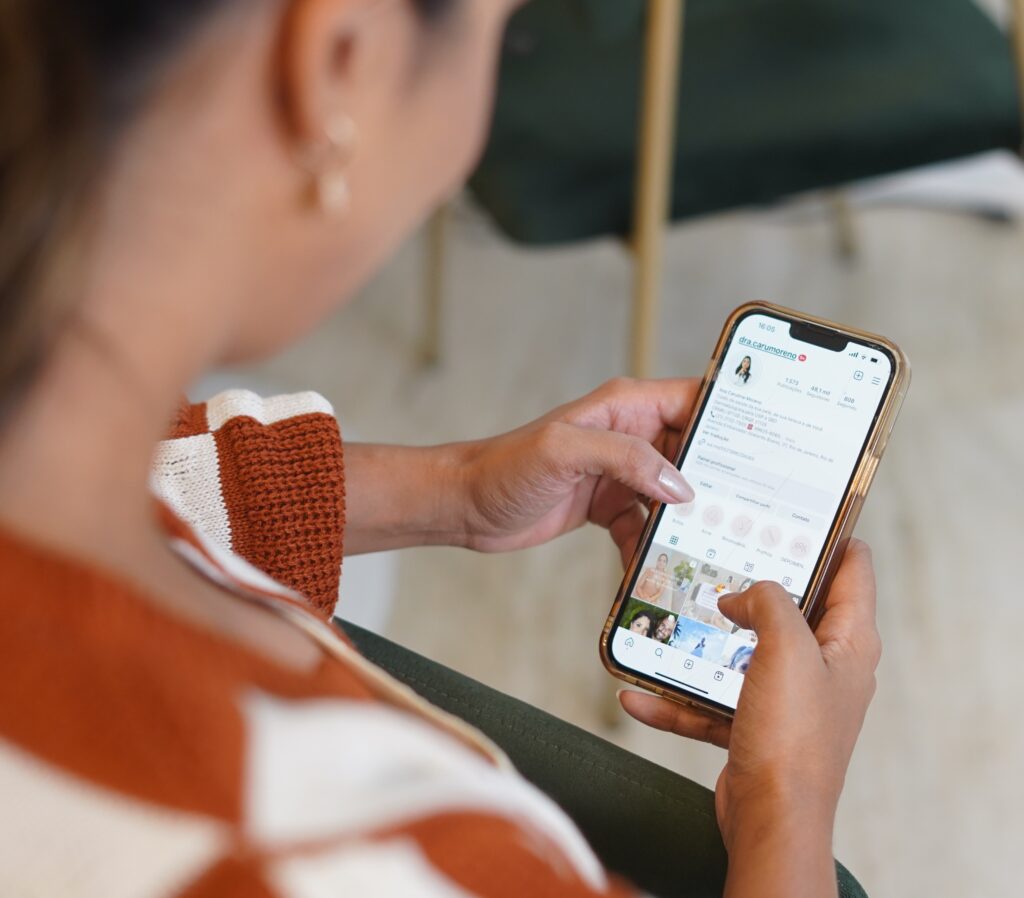
Grupo Caru Moreno is in Barra da Tijuca, Rio de Janeiro. Confirm your appointment, arrival details, and preferred language with the team before setting out.
Find Dr. Ana Carulina Moreno’s clinic on the map below. If you are arriving from abroad, see our Rio dermatology guide for international patients.

PROFILE
Dra. Ana Carulina Moreno · CRM 52.97133-2 · RQE 21135
Dr. Moreno graduated from the University of São Paulo School of Medicine and completed her dermatology residency at Hospital das Clínicas, USP. She holds a specialist title in dermatology from the Brazilian Society of Dermatology (SBD) and the Brazilian Medical Association (AMB).
At Grupo Caru Moreno in Barra da Tijuca, Dr. Moreno sees patients for aesthetic dermatology consultations. Read more about her dermatology practice or planning a visit in Rio.
From our Instagram
Educational information. Any treatment recommendation depends on an individual medical evaluation.